
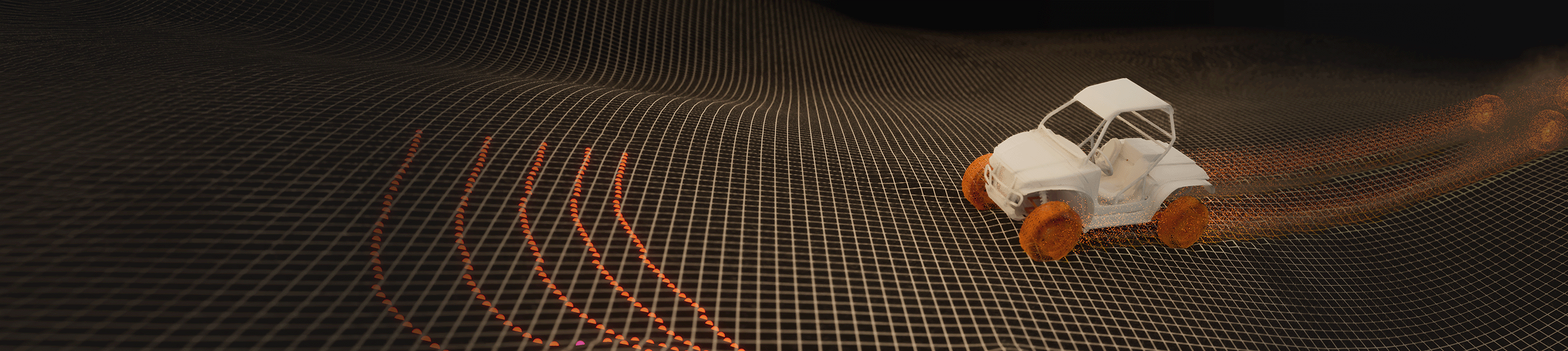
Simulate sensor behaviour on moving machines for sensor stack design, sensor validation, and more.
ENGINEERING CHALLENGE
The sensor stack is how your machine understands its surroundings. It can’t be an afterthought.
Understanding sensor behaviour on moving machines is difficult to achieve through real-world testing—especially during complex tasks in unstructured environments.
A simulation-based approach allows engineering teams to explore sensor selection, sensor placement and sensor fusion in a faster, more systematic way.
To ensure reliable results, virtual sensors must be physically accurate and tightly integrated with the machine and environment simulation. This ensures that synthetic sensor data reflects real-world physics in real time—even as machines interact with and reshape terrain and materials.
ALGORYX’S SOLUTION
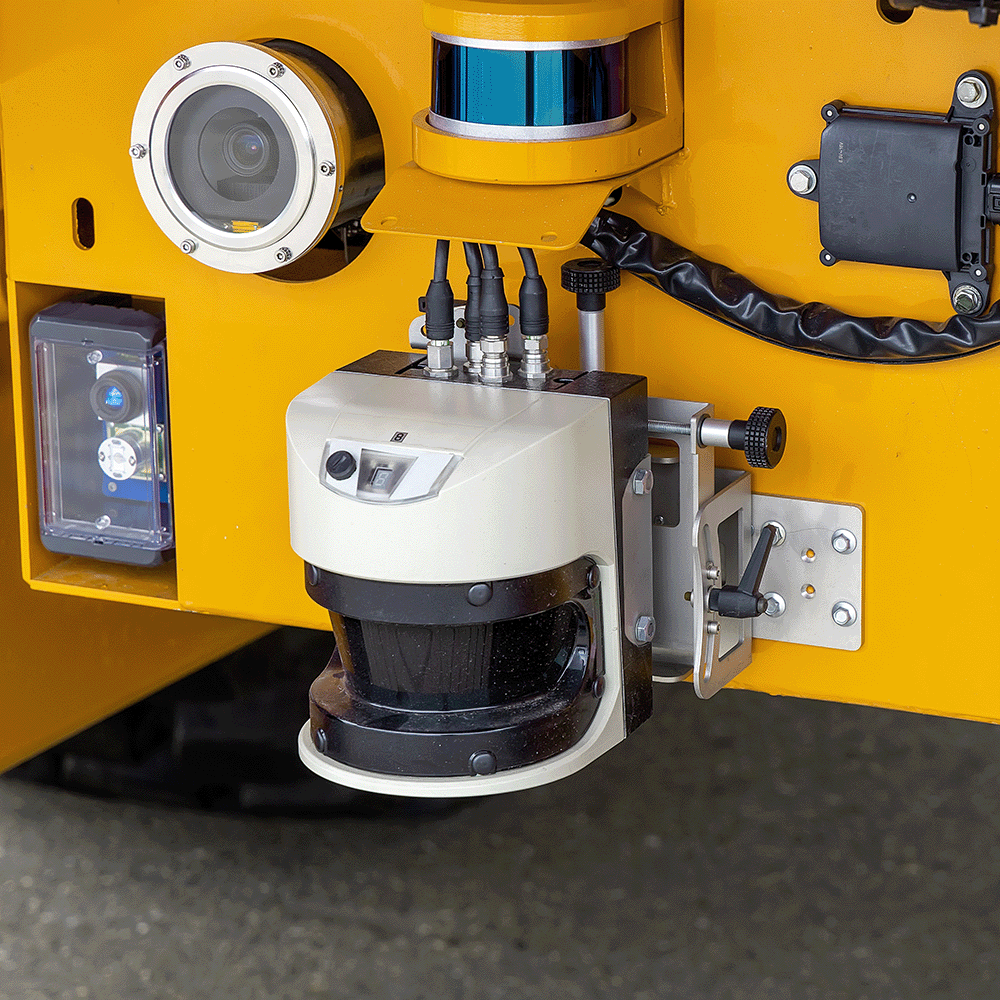
Physics-Based Sensor Simulation in Full Machine and Terrain Context
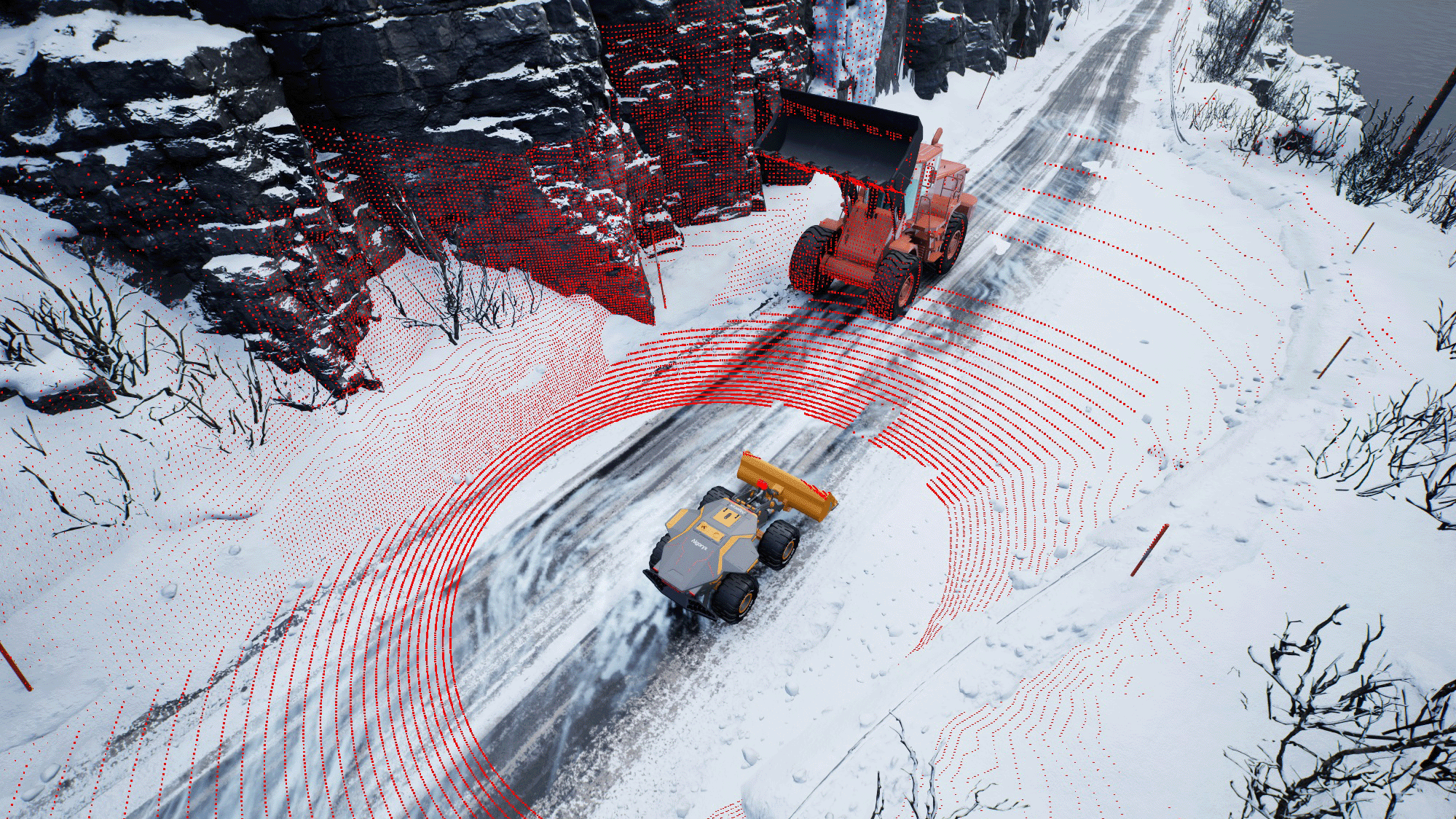
Use a simulation-ready machine model and environment in AGX Dynamics, where machine behaviour, terrain and machine-environment interaction are represented.
Specify the objects, terrain, materials and surrounding features that virtual sensors should be able to detect.
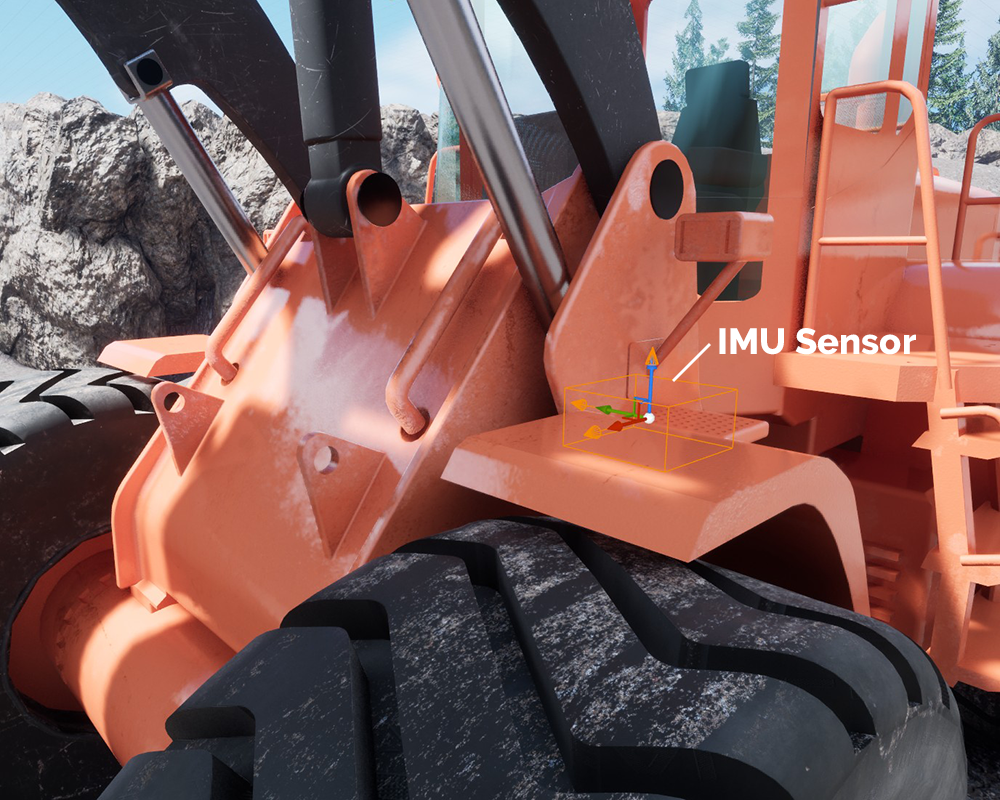
Place LIDAR, camera, IMU or other sensors on the machine and configure their model, output and operating characteristics.
Read sensor data into analysis, control, perception or validation workflows.
DEMO VIDEO
Sensor Simulation in Action
KEY FEATURES
What Sets Algoryx’s Sensor Simulation Solutions Apart
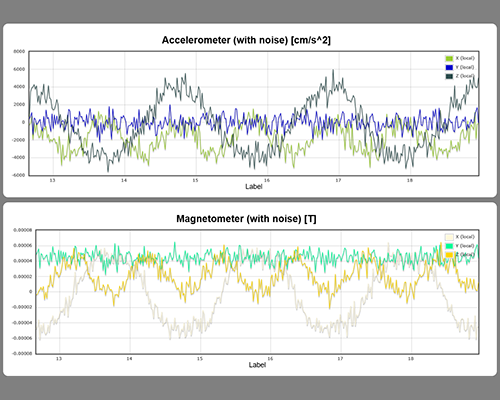
Model common sensors used in machines and vehicles, including LIDAR, IMUs, accelerometers, gyroscopes, magnetometers, odometers and wheel encoders.
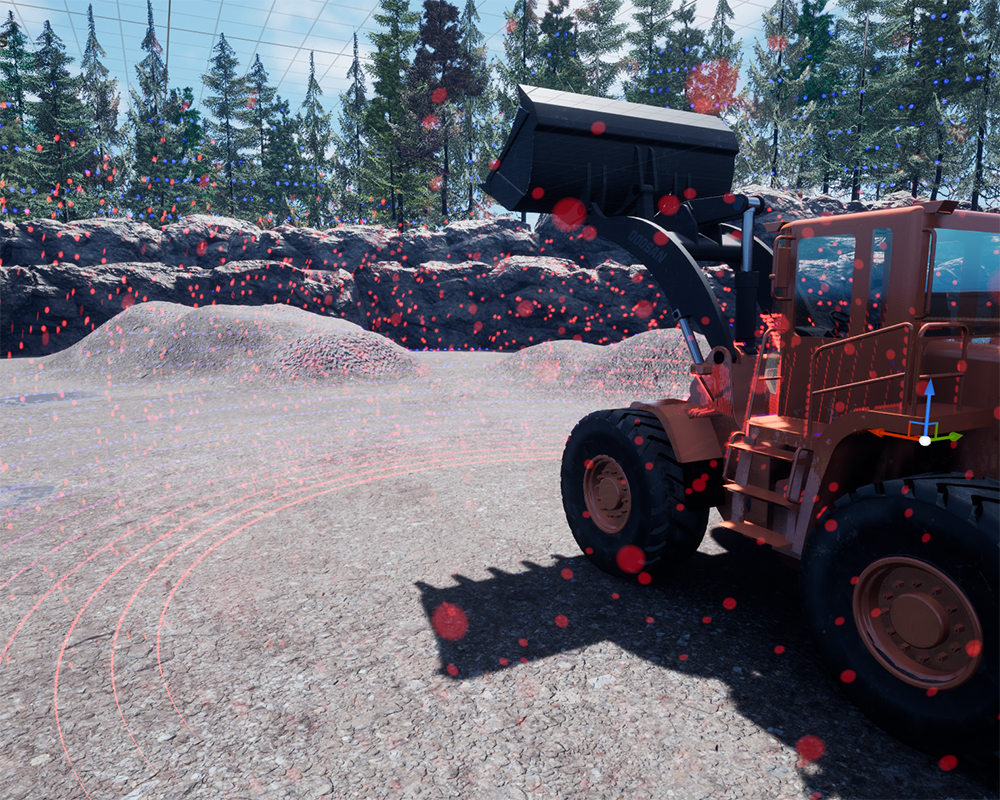
Account for how surfaces, materials, reflectivity, occlusion and atmospheric effects influence simulated sensor returns and point-cloud data.
Move beyond idealized readings by modelling sensor-specific behaviour, measurement variation and real-world imperfections that affect signal quality.
RELATED USE CASES
Digital Machine Twins
Create and simulate physics-based full-system models of machines and vehicles
Control System Development
Develop and test high-level planning and low-level control systems in simulation
FAQ
Frequently Asked Questions
Ready to get in touch?
Contact our sales team and book a discovery call to explore how Algoryx can help you achieve engineering success.